Prepared for the Canadian Academic Accounting Association

The students you want have already made up their minds about accounting.

For most of them the picture was formed in a high school bookkeeping unit and never revisited. Facts about career paths and starting salaries do not shift a picture like that. A person they recognize and want to become does. Below is a short film that did exactly that for a different audience, and the complete plan behind it.

The Chamber · IMIx Executive Programs · 4 min A film by Jordan Presseault

Raquel spent years hiding the instinct that turned out to be her greatest strength. Farhat was ambushed on a call with her camera off and nobody defending her. Neither of them describes a curriculum, a course length, or a benefit.

That is the point. Audiences do not act on information about a program. They act on recognition. The viewer does not think that sounds useful. The viewer thinks that is me.

The process

Before we pick up a camera

Four steps, always in this order. By the time filming starts, the whole film has already been approved on paper.

This is the opposite of how most video is made, where the story is found in the edit, after everything has already been shot.

01

Storyfinding

What happens

I record short conversations with five or more people who might appear in the film. Usually half an hour each, on Zoom. I am listening for who has a real story to tell, not who has the most senior title.

You get

A shortlist of the people worth filming, and the reason for each one.

Your time

One introductory call. I arrange the rest directly with the people involved.

02

Story Keywords

What happens

Five words are chosen that define what the film is for. What is most inspiring, what makes it different, who it is for, how it should feel, and what we want the viewer to do afterwards.

You get

A short document to approve. Every decision made after this point is measured against it.

Your time

One review. Fifteen minutes of reading.

03

Character Briefs

What happens

Each candidate is scored on three things: what they want, why they want it, and what makes them unlike anyone else. Only the strongest go on camera.

You get

A brief on every person under consideration, with their scores and the story they would carry.

Your time

One review. You have the final say on who appears.

04

Storyboard

What happens

The entire film is mapped scene by scene, with timings and the purpose of each moment, before anything is filmed.

You get

The film on paper. You know precisely what you are getting before a dollar is spent on production.

Your time

One review and a sign-off.

Then

Filming, edit, colour, sound, and delivery.

You receive

A finished film, short cuts for social, and the footage library.

Typical timeline

Ten to twelve weeks from first conversation to final delivery.

Only once all four are signed off does a camera come out. What follows on this page is the real paperwork from the film above.

01 Milestone one

Story Keywords

Five words agreed before anything else. They are the filter every later decision passes through.

Inspiration

What is most inspiring about this story?

Self-discovery

The most inspiring element is the journey of self-discovery: the realization that who you truly are is not a liability but an asset. IMIx creates the conditions for leaders to discover, and stop hiding, who they already are.

Difference

What makes this story different?

Chamber

What makes this story different is the chamber itself: a psychologically safe space where senior leaders can finally say what they cannot say anywhere else. Most programs sell curriculum. IMIx offers sanctuary.

Audience

Who is the audience for this story?

Leaders and aspiring leaders

The target viewer is a current or aspiring leader, typically with fifteen to twenty years of experience, navigating the invisible weight of leadership.

Feeling

How do we want this story to feel?

Liberation

The emotional journey moves through recognition, tension, relief, and finally liberation. The viewer should feel what it is like to finally exhale after years of holding their breath.

Action

What do we want the audience to do?

Step in

The desired viewer action is to step in. Into the program, into vulnerability, into authentic leadership, into the journey of discovering who they already are.

02 Milestone two

Character Briefs

People are how we connect the viewer emotionally.

Three people were chosen from a longer list. Each was scored on desire, motivation, and uniqueness.

The Big 3
Desire

What does this person want beyond what they have? The more they want something, the more we want it for them.

Motivation

What is the motivation behind the desire? Complexity is what gives the character depth.

Uniqueness

What makes this person different? The uniqueness of each person helps to draw the audience in and capture their attention.

12
3 A character needs 12 to carry a film. 15
Heart

Raquel De Souza

Ecosystem Director, Schwartz Reisman Innovation Campus, University of Toronto.

D 4.5 M 4.5 U 4 13 / 15

Raquel spent years suppressing her hypervigilance, believing it made her a worse leader. In Rafael's classroom she learned that perception and anticipation are essential leadership traits. Her downfall became her superpower, and that self-acceptance gave her the confidence to take a role she says she would never have applied for.

Faculty voice

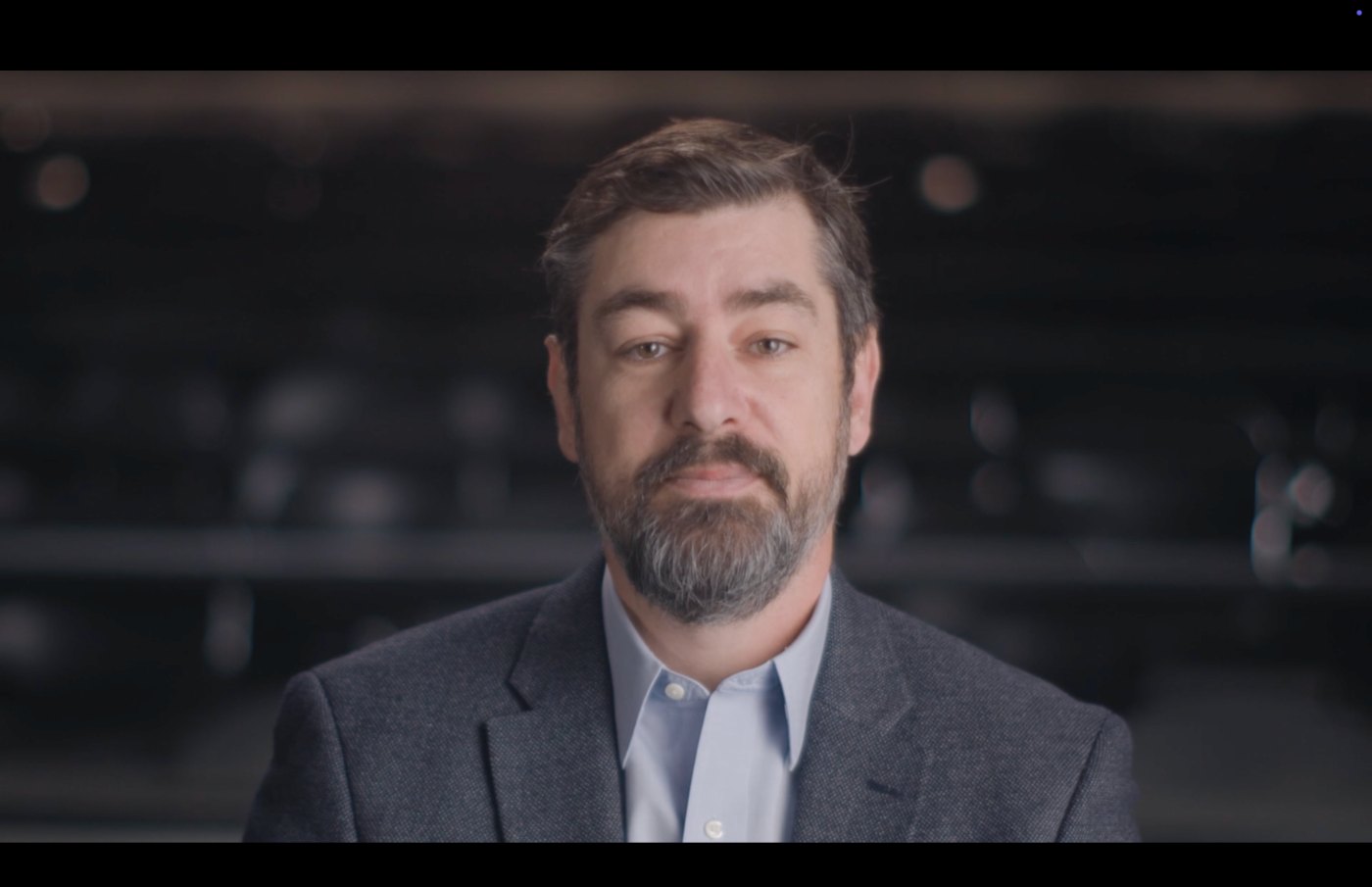
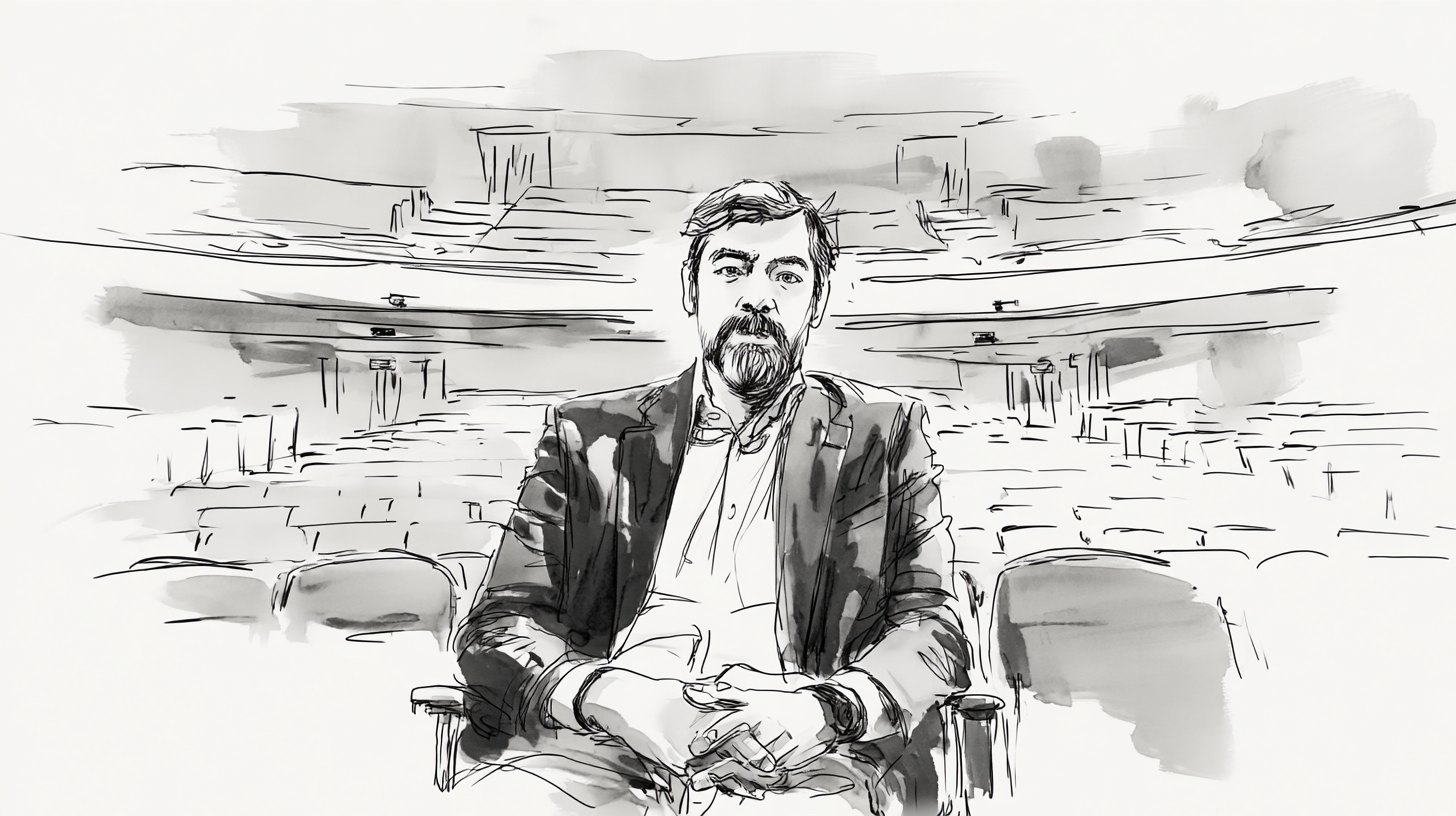
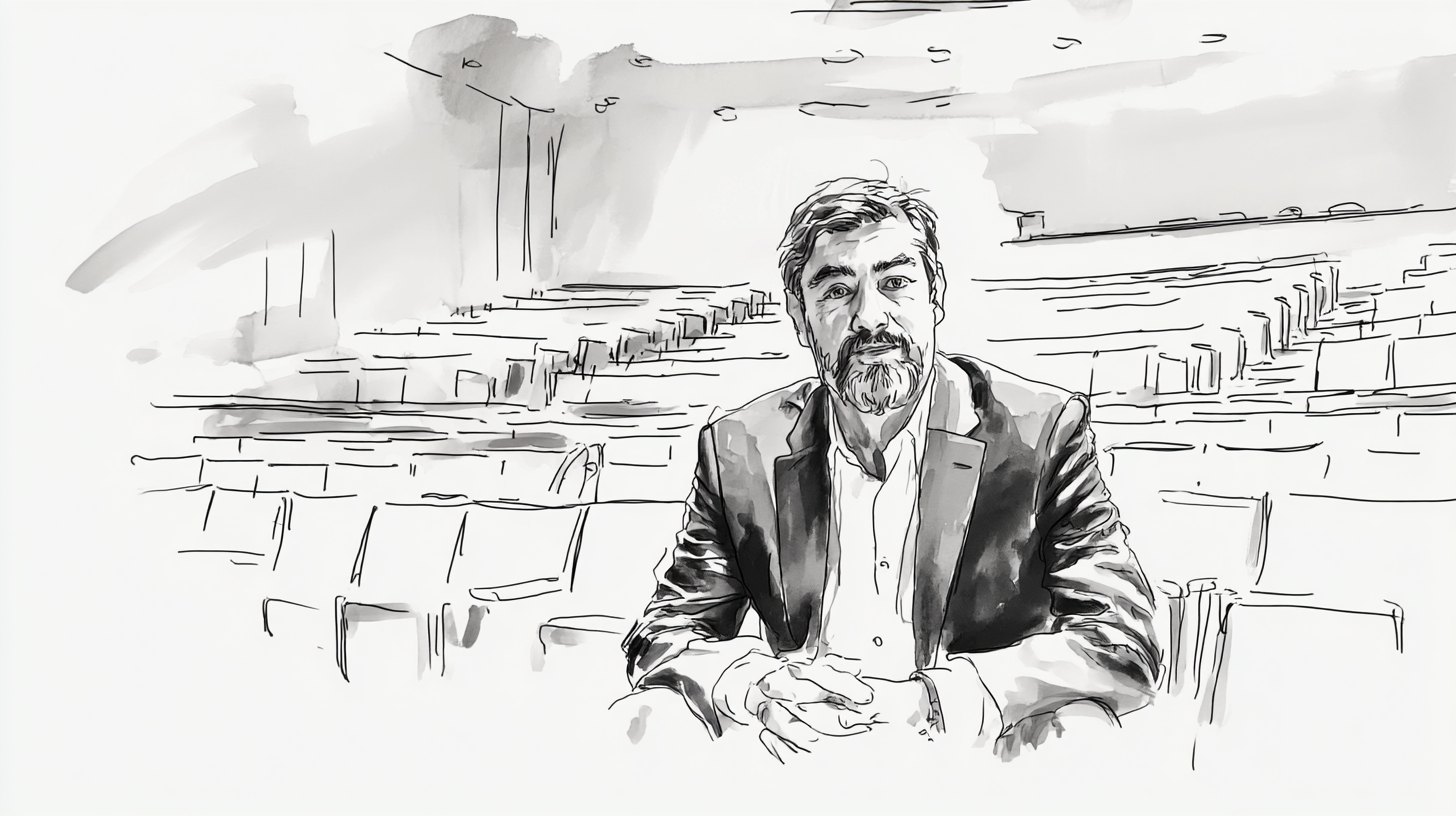
Rafael Chiuzi

Organizational Psychologist, Associate Professor, Academic Director of IMIx Executive Programs.

D 4 M 4 U 4 12 / 15

Rafael built the chamber because he understands that leadership is lonely. His classroom becomes the one place where senior leaders can finally be honest. He insists on intentional smallness: if the program scaled, participants would become numbers and the chamber would stop working.

Supporting voice

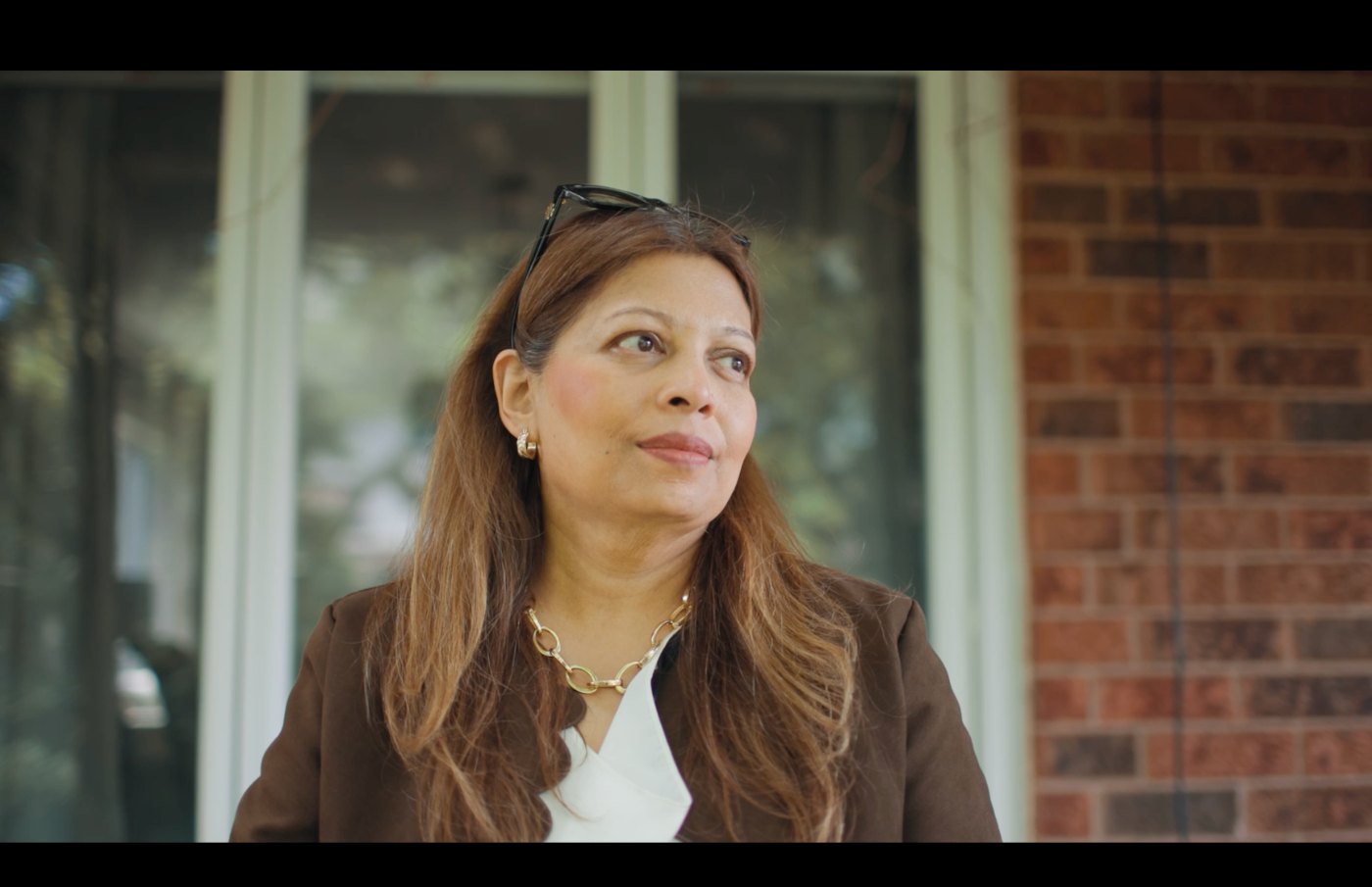
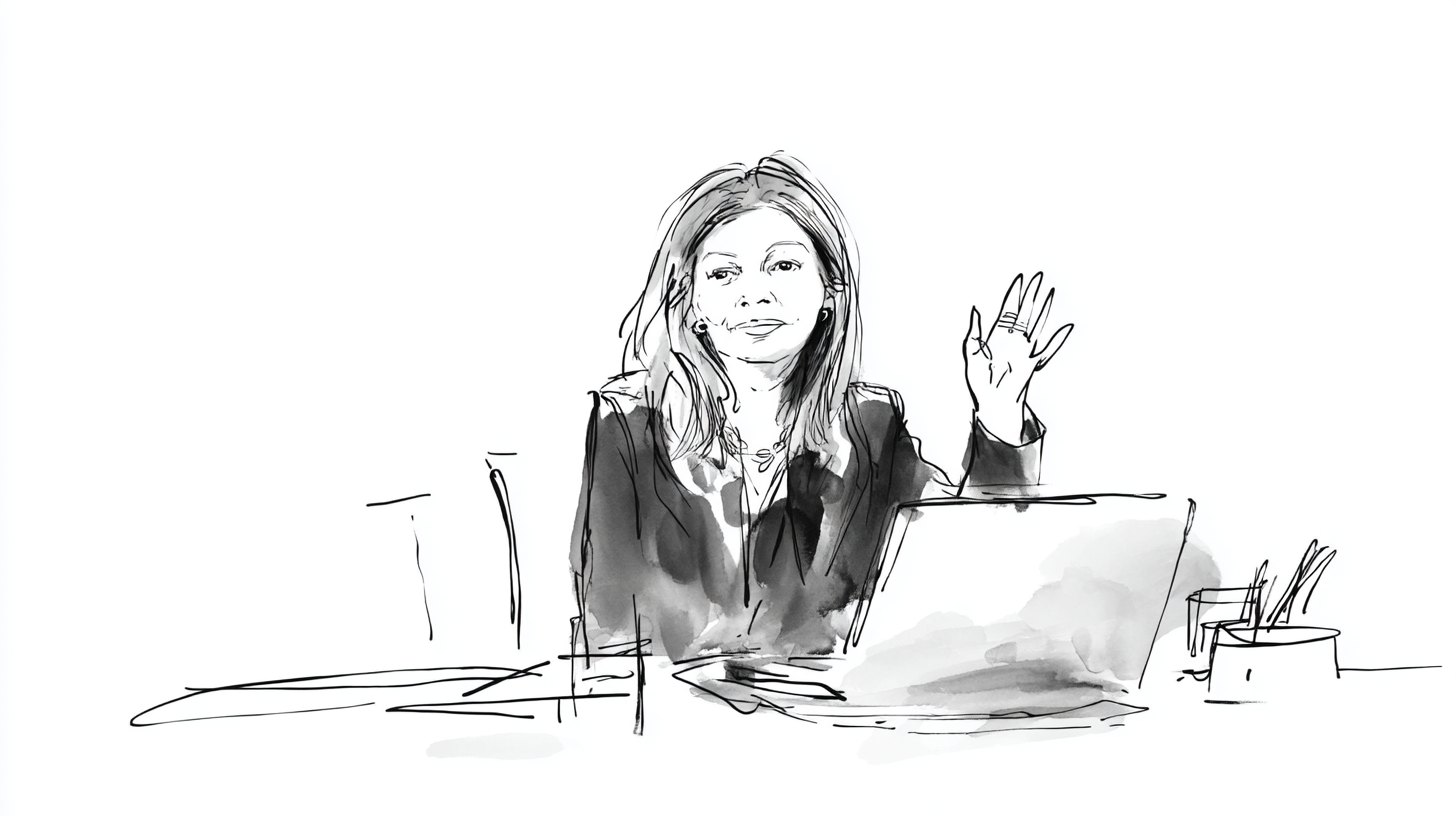
Farhat Rabia

Senior Change Management Specialist, Metrolinx.

D 4 M 4.5 U 4 12.5 / 15

Farhat guides entire organizations through transformation. Then she joined a call alone in her office and was blindsided. The change management specialist discovered she was the one who needed to change.

03 Milestone three

Storyboard

Six plot points, mapped and approved before filming. Every second of the finished film was decided here.

Plot structure
Hook
Conflict
Initiation
Journey
Resolution
Jab
25% Beginning 50% Middle 25% End
Emotional arc beneath it
Tension
Concern
Empathy
Hope
Satisfaction
Action
01 · Hook · ~20s

The opening to your story. The Hook determines whether people watch the rest. You must grab their attention immediately.

The Question

Rafael speaks straight to camera, no preamble. It is every leader's story.

02 · Conflict · ~35s

The moment your character runs into a challenge or obstacle. Conflicts create the question in the minds of your audience.

The Loneliness

Raquel and Farhat intercut. Two different kinds of stuck, the same silence.

03 · Initiation · ~30s

The moment the character decides to take on the conflict. The first meaningful step towards overcoming.

The Chamber

Rafael explains what the chamber is and why it stays small on purpose. Sanctuary, not curriculum.

04 · Journey · ~60s

The main milestones, including setbacks, that happen as she tries to overcome the conflict.

The Breakthroughs

Four beats, alternating. Raquel's reframe, her strategy shift, Farhat's confession in the classroom, and the village she already knew how to build as a single mother.

05 · Resolution · ~40s

An emotional crescendo, the climax, and the resolution to the conflict and question set up earlier.

The Proof

Raquel takes a role she would not have applied for. The key message lands at peak emotion.

06 · Jab · ~15s

The ending of your story, and the opportunity for a call to action to spur what you want the audience to do.

The Invitation

Rafael, direct to camera. The question from the opening finally has an answer.
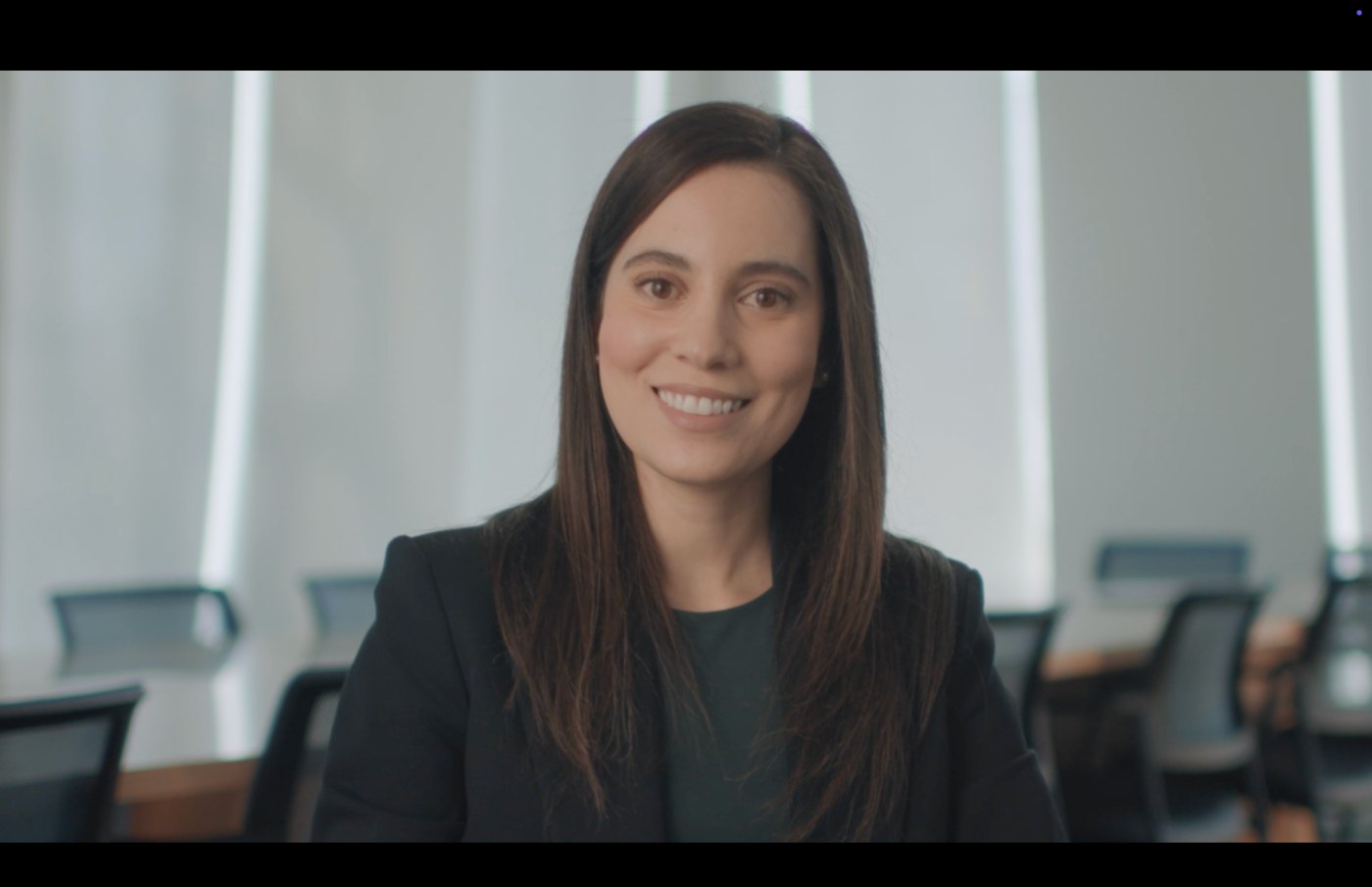
“The way they come in is not the way they leave.”
Why this works

People decide with feeling, then explain it with reason.

Humans are wired for narrative. Research into how the brain responds to stories has mapped the sequence closely enough that the steps on this page are built to follow it. The six plot points in the storyboard above are how these three stages get built into a film.

Attention
Cortisol

Tension in the opening seconds is what stops the scroll.

Connection
Oxytocin

Character and vulnerability are what make a viewer care.

Action
Dopamine

Caring is what converts into doing something.

Skip a stage and the next one does not fire. Most corporate video starts at stage three.

Attention has a deadline.

Research on narrative immersion finds the opening seconds decide whether anyone stays. A story that opens with tension holds attention. One that opens with context loses it.

Connection is built by people, not information.

Paul Zak's lab at Claremont Graduate University found that character-driven stories produce oxytocin in viewers, and that how much was produced predicted how generously those viewers behaved afterwards. Facts inform. People persuade.

Emotional response predicts behaviour better than opinion does.

Zak's research found that how strongly someone responds to a story predicts what they do next more reliably than asking them whether they liked it. Which is why we do not design films to be approved. We design them to be felt.

Sources: Zak, P.J., Why Your Brain Loves Good Storytelling, Harvard Business Review, 2014. Zak, P.J., Why Inspiring Stories Make Us React: The Neuroscience of Narrative, Cerebrum, 2015. Green, M.C. and Brock, T.C., The Role of Transportation in the Persuasiveness of Public Narratives, Journal of Personality and Social Psychology, 2000.

This is also why a video listing the benefits of an accounting degree will not move a seventeen year old. Nothing in it is built to trigger the first stage.

What this could be

What the same process would find for the CAAA

A picture formed at sixteen is not undone by information. It gets replaced by a person the viewer recognizes and wants to become. So the work starts by finding who that person is.

The people already volunteering for this project do not fit the picture students carry. One runs a practice known for finding what everyone else missed. Another ran forensic accounting worldwide for a global firm. That is not bookkeeping. That is closer to investigation.

The same process on this page would start by finding which of those stories a seventeen year old would actually stay for.

More work

The subject is never the problem.

Both of these are films about software. The same process applies whatever the field looks like from the outside.

Esri Canada

How spatial data helped solve a homicide

A technical capability, told as an investigation.

Watch ↗
Esri Canada

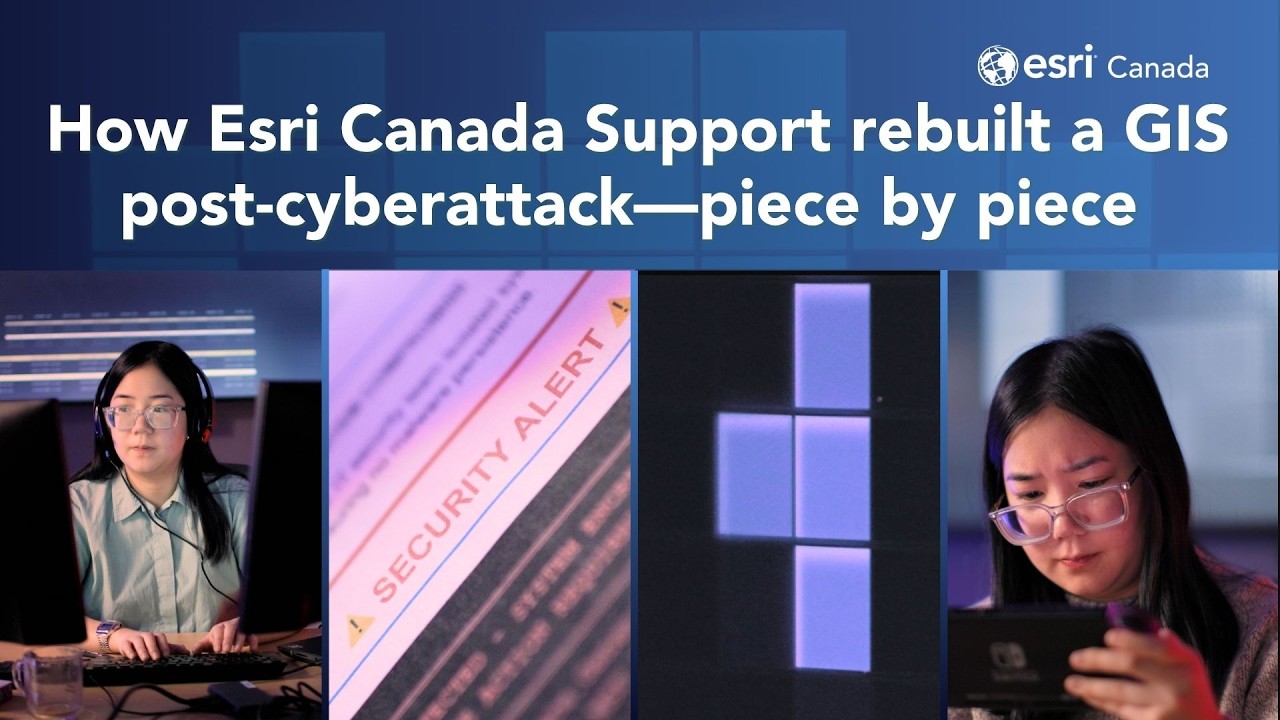
Rebuilding a GIS after a cyberattack, piece by piece

A recovery story about infrastructure most people never think about.

Watch ↗

Also recent work for the University of Toronto and IMIx Executive Programs.

Happy to walk the CAAA board through any of this.

Jordan Presseault jordan.presseault@gmail.com 647-671-3953